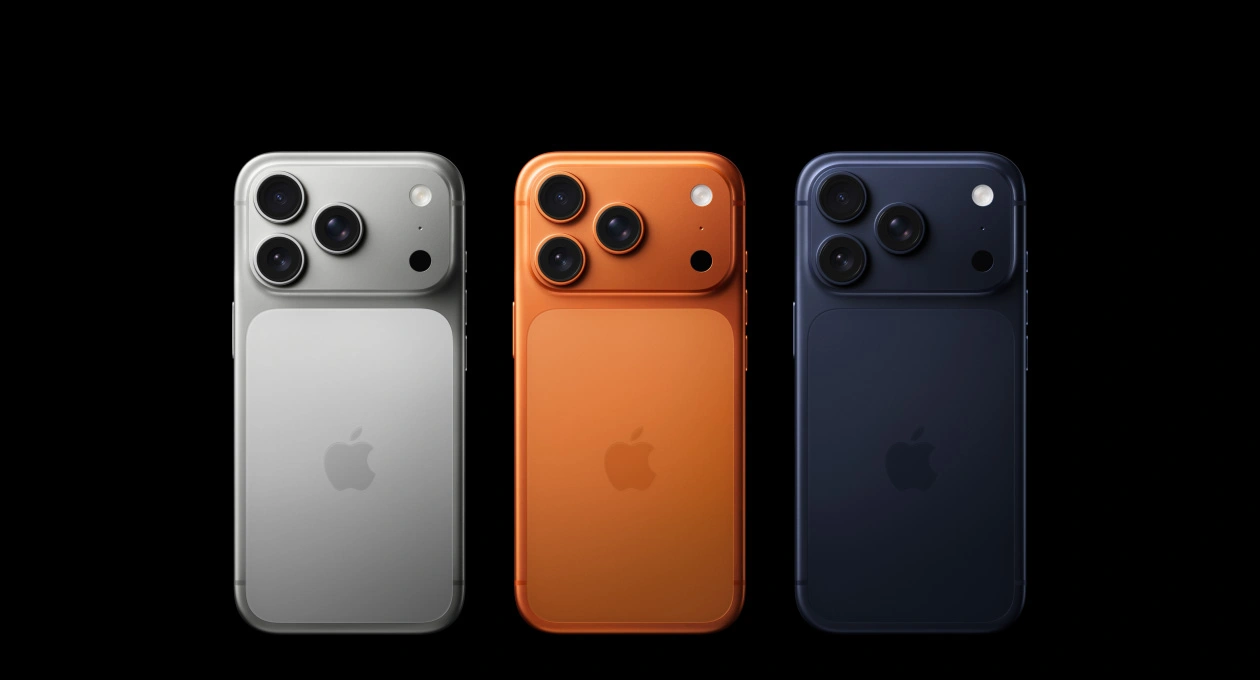
After months of leaks and teasers, Apple has officially launched the iPhone Air alongside the iPhone 17 series. Positioned between the standard iPhone 17 and the iPhone 17 Pro, the iPhone Air introduces a fresh design and form factor that Apple hasn’t attempted in years. With a super-slim body, powerful A19 Pro chip, and 120Hz OLED display, the iPhone Air is set to stand out in Apple’s 2025 lineup.
Here’s everything you need to know about the iPhone Air specifications, price, and availability in India.
iPhone Air Design: Apple’s Thinnest and Lightest iPhone Ever

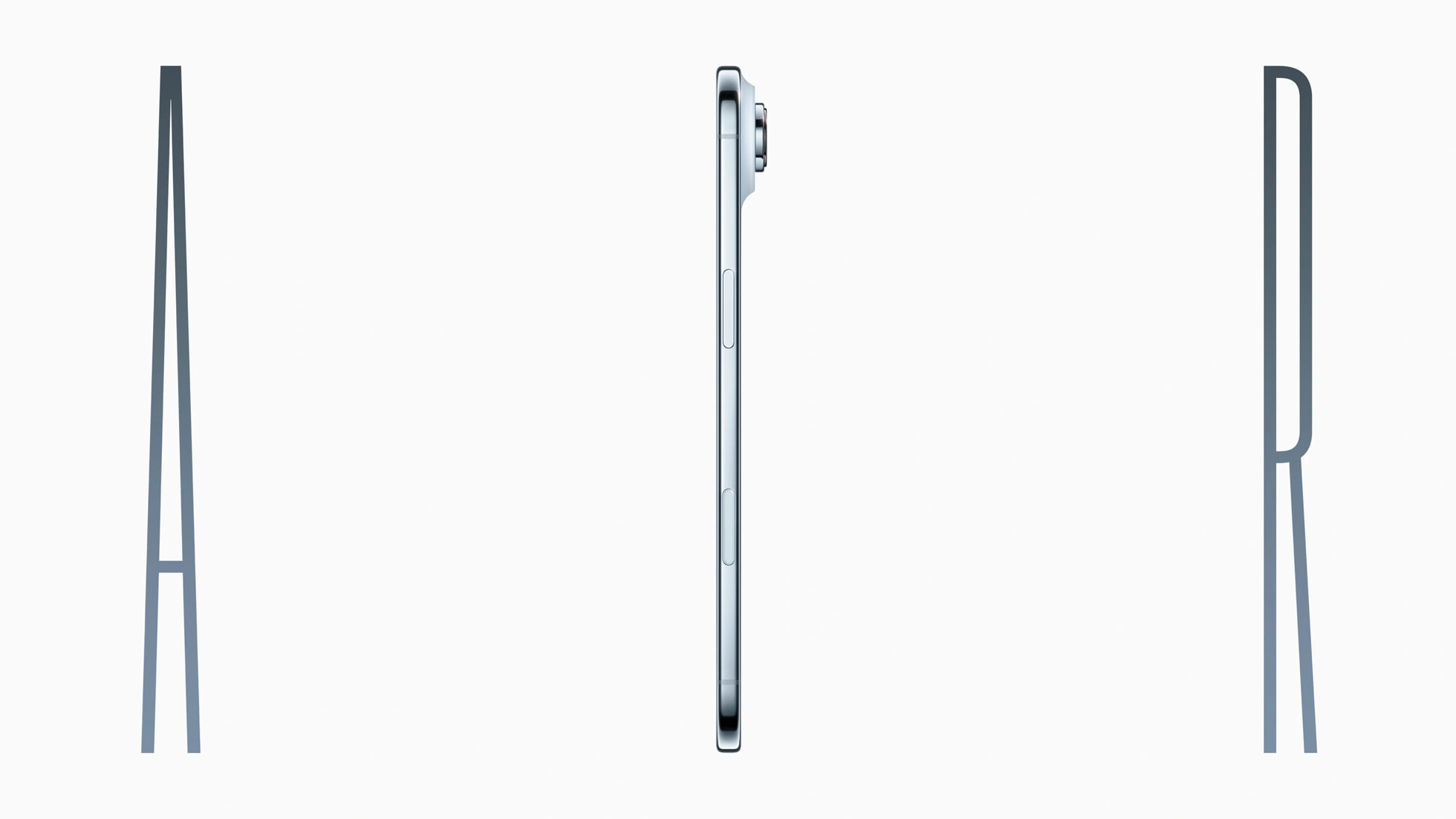
The biggest highlight of the iPhone Air is its slim profile. At just 5.6mm thickness and weighing 145 grams, it is Apple’s thinnest and lightest iPhone to date.
- Built with a titanium-aluminium frame for durability
- Glass back panel with a horizontal camera bar
- Retains the Action Button and Camera Control button
- Slim enough to just fit a USB-C port at the bottom
Apple says this blend of slim design and titanium build ensures strength without compromising on looks.
iPhone Air Display: Flagship-Grade OLED Panel

The iPhone Air comes with a 6.5-inch Super Retina XDR LTPO OLED display with:
- 120Hz refresh rate
- 1260 x 2736 resolution
- 3,000 nits peak brightness
- Ceramic Shield 2 protection with better scratch resistance and anti-reflection coating
This puts the Air’s display experience on par with the iPhone 17 Pro models.
Performance: Powered by A19 Pro Chip
Under the hood, the iPhone Air is powered by the Apple A19 Pro processor, the same chip used in the Pro models.
- Paired with 12GB RAM
- Up to 512GB storage
- Runs on iOS 26 with Apple Intelligence AI features like Genmoji, AI Writing Tools, Imagen and more
This makes the iPhone Air as powerful as the flagship Pro variants, despite its slimmer form.
Cameras: Single Lens But Powerful


To achieve its slim design, Apple had to cut down on the camera setup. The iPhone Air gets:
- 48MP main rear camera with 4K 60fps video recording and 2x telephoto shots
- 18MP selfie camera with 4K 60fps video and Centre Stage support

Unlike the iPhone 17 Pro models, it does not support spatial video or photos, but the upgraded selfie camera offers better image quality and edge detection.
Battery and Charging

The iPhone Air has the smallest battery in the iPhone 17 lineup, but Apple claims it lasts a full day on a single charge thanks to the efficient Apple C1X 5G modem.
- 35W USB-C fast charging
- 25W MagSafe wireless charging (Qi 2.2)
- C1X modem: 2x faster and 30% more power efficient
Connectivity and Other Features
The iPhone Air comes with:
- eSIM only (no SIM tray due to slimness)
- Wi-Fi 7, Bluetooth 6, NFC, GPS, Face ID
- Available in Sky Blue, Light Gold, Cloud White, and Space Black
iPhone Air Price in India and Availability
The Apple iPhone Air starts at ₹1,19,900 in India. Here are the variants:

- 256GB – ₹1,19,900
- 512GB – ₹1,39,900
- 1TB – ₹1,59,900
Pre-orders are live on the Apple India website, with sales starting September 12, 2025.
Final Thoughts
The iPhone Air is a bold new addition to Apple’s lineup. With its ultra-thin design, flagship-grade A19 Pro performance, premium OLED display, and sleek build, it’s perfect for those who want a stylish yet powerful iPhone.
However, the single camera and smaller battery might feel like trade-offs compared to the Pro models. Still, at its price, the iPhone Air is likely to appeal to users who want a lighter, thinner iPhone without losing out on raw power.